
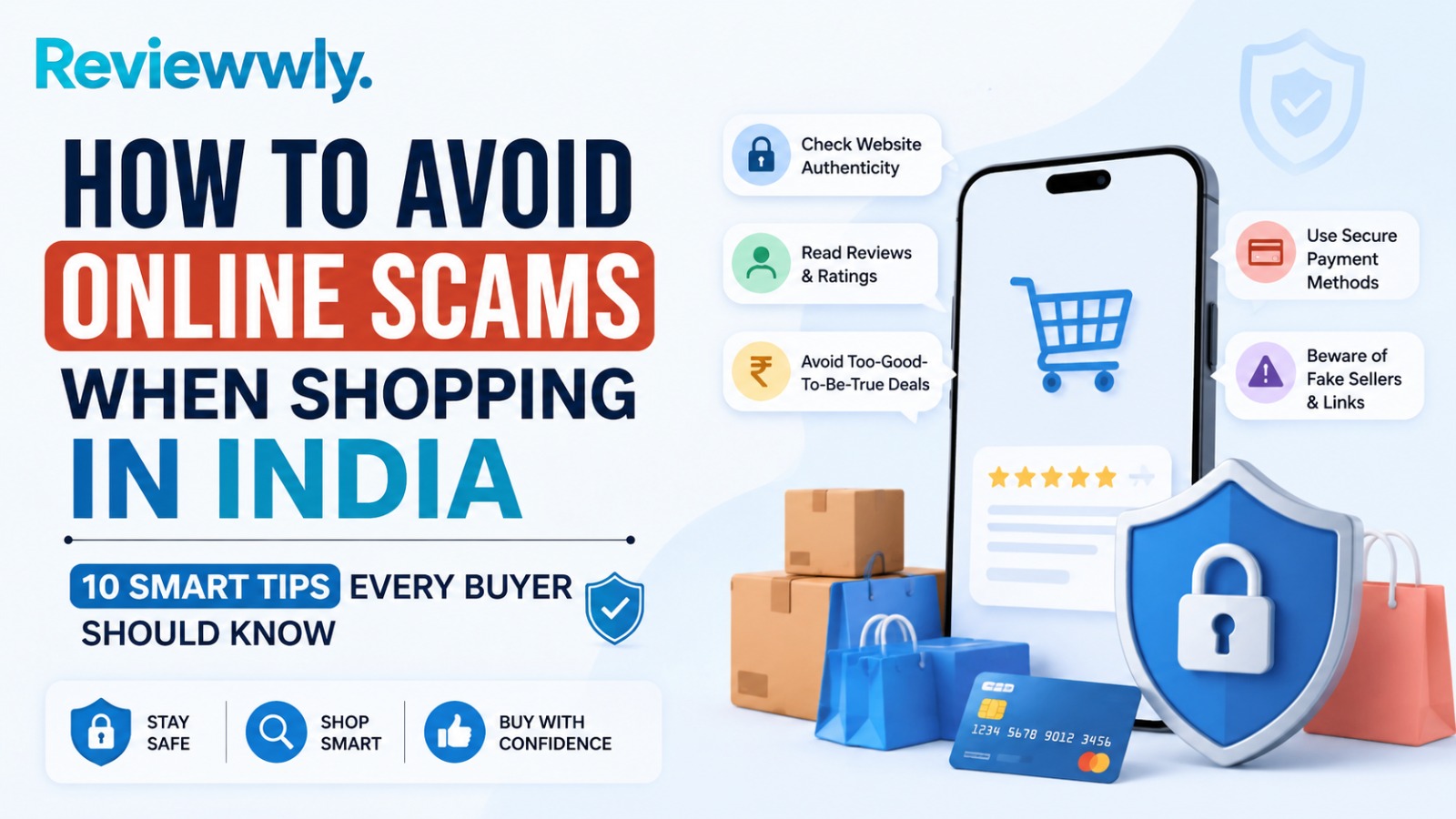
How to Avoid Online Scams When Shopping in India: 10 Smart Tips Every Buyer Should Know
Online shopping has become a part of everyday life in India. You can order everything from smartphones and groceries to furniture and jewellery with just a few taps. While this convenience has changed how we shop, it has also opened doors for scammers.
Fake websites, counterfeit products, phishing messages, and dishonest sellers are getting smarter. Falling victim to an online scam can mean losing money, exposing personal information, or receiving items that are nothing like what was advertised.
The good news is that you can avoid most online shopping scams with a few simple precautions.
1. Always Verify the Seller
Before you make a purchase, take a few minutes to research the business. Don’t just rely on the product listing. Check if the seller has:
A professional website
Clear contact information
Customer support details
A consistent online presence
If you can’t verify who you’re buying from, think twice before placing an order.
2. Read Genuine Customer Reviews
Customer reviews often reveal important details that product descriptions miss.
Look for reviews that explain the buyer's actual experience instead of short comments like "Good" or "Excellent." Detailed reviews discussing:
Product quality
Delivery experience
Customer service
After-sales support
are usually much more helpful.
Reading reviews from multiple platforms can also give you a well-rounded view before making a decision.
3. Be Careful with Deals That Look Too Good to Be True
A ₹50,000 smartphone listed for ₹15,000 or luxury items being sold at huge discounts should immediately raise concerns.
Scammers often use unrealistic prices to create urgency and lure buyers.
If the discount seems unbelievable, it's worth taking a closer look before making a purchase.
4. Check Website Security
Before entering your payment information, make sure the website has a secure connection.
Look for:
HTTPS in the website address
A padlock icon in your browser
Clear privacy policy
Transparent return and refund policy
While these signs don't guarantee legitimacy, they are basic indicators of a trustworthy website.
5. Avoid Paying Through Unverified Links
Many scams begin with messages on WhatsApp, SMS, Telegram, or social media asking customers to pay through a separate payment link.
Whenever possible:
Complete payments through the seller's official website or app.
Never share OTPs.
Never disclose banking passwords.
Never reveal your card PIN.
Legitimate businesses will never ask for these details.
6. Research the Business Before Buying
A quick online search can save you from costly mistakes.
Look for:
Customer complaints
Delivery issues
Refund experiences
Service quality
Consistent negative feedback from multiple buyers
Learning from other people's experiences helps you make more informed purchasing decisions.
7. Understand the Return and Refund Policy
Before placing your order, always check:
Return eligibility
Refund timelines
Exchange conditions
Customer support availability
Scam websites often have vague, confusing, or missing return policies.
Legitimate businesses usually explain their policies clearly and transparently.
8. Avoid Shopping Over Public Wi-Fi
Public Wi-Fi networks at cafés, airports, shopping malls, or railway stations may not always be secure.
If you're making an online purchase:
Use your mobile data whenever possible.
Connect through a trusted private Wi-Fi network.
This significantly reduces the risk of your financial information being intercepted.
9. Trust Your Instincts
Sometimes the biggest warning signs are the simplest ones.
Be cautious if you notice:
Poor website design
Numerous spelling or grammar mistakes
Aggressive sales tactics
Countdown timers creating unnecessary urgency
Pressure to complete the purchase immediately
Taking just a few extra minutes to verify a seller can prevent significant financial loss.
10. Share Your Experience
One of the easiest ways to make online shopping safer is by sharing your experience.
Whether your purchase was excellent or disappointing, your review helps other shoppers make better decisions.
Honest customer feedback also encourages businesses to maintain higher standards of quality and customer service.
Why Reviews Matter More Than Ever
Today's consumers trust real customer experiences more than advertisements.
A detailed review can reveal valuable information about:
Product quality
Delivery speed
Customer service
Packaging
Return experience
Overall satisfaction
These are details that promotional content often doesn't mention.
For businesses, genuine reviews build credibility.
For customers, they reduce uncertainty before making a purchase.
Make Smarter Shopping Decisions
Online shopping offers incredible convenience, but informed decisions remain your strongest defense against scams.
Before making your next purchase:
Research the business.
Compare customer experiences.
Read authentic reviews.
Verify website security.
Never rush because of a tempting discount.
At Reviewwly, we believe every genuine customer experience matters. Whether you've had an outstanding shopping experience or faced issues with a seller, sharing your honest review can help others shop with greater confidence.
Every informed purchase starts with trustworthy information—and every honest review helps make the internet a safer place for everyone.